

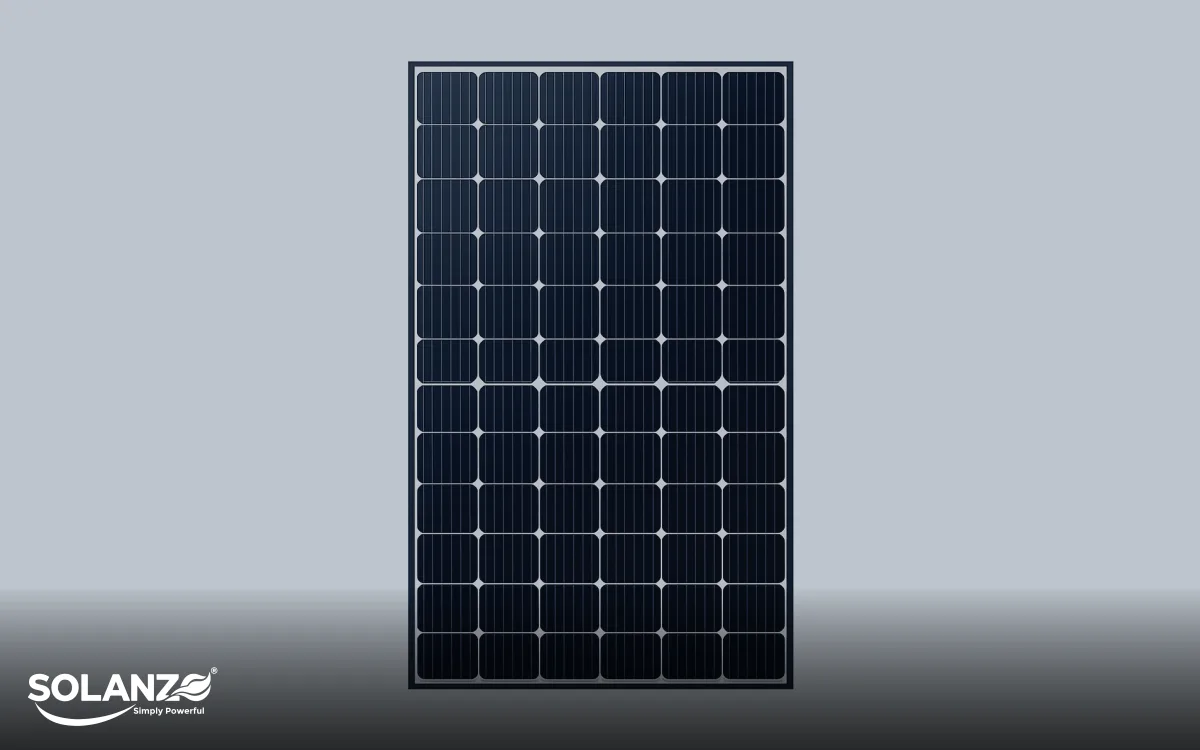
Bifacial modules are now standard product on most manufacturer lines, four years after they were the novelty. Enough systems are running that the question has moved from "does the rear side generate?" to "how much does it generate here?" The answer lives almost entirely in the ground beneath the array.
Albedo is the multiplier
Rear-side yield is module bifaciality times ground reflectance, and the spread between surfaces is enormous: dark soil returns single digits; grass and scrub give low teens; sand, pale gravel and white ground membranes can exceed thirty percent. On reflective desert ground a bifacial array can gain a quarter more energy over the year. On dark, vegetated ground the same modules gain little more than a few percent.
Height and shading discipline
Rear gain also depends on the module seeing the ground: raised mounting, open structure and row spacing that lets reflected light reach the back face. Bifacial modules squeezed onto low, dense mounts silently surrender the benefit they were bought for.
The pumping fit
Ground-mounted pumping arrays in arid regions are almost the ideal bifacial application: elevated open racking, pale dry soil, and demand that peaks with irradiance. On those sites bifacial is no longer a question; the only remaining check is whether the price premium, now often under ten percent, is covered by the extra yield. In most cases we model, it is covered several times over.