

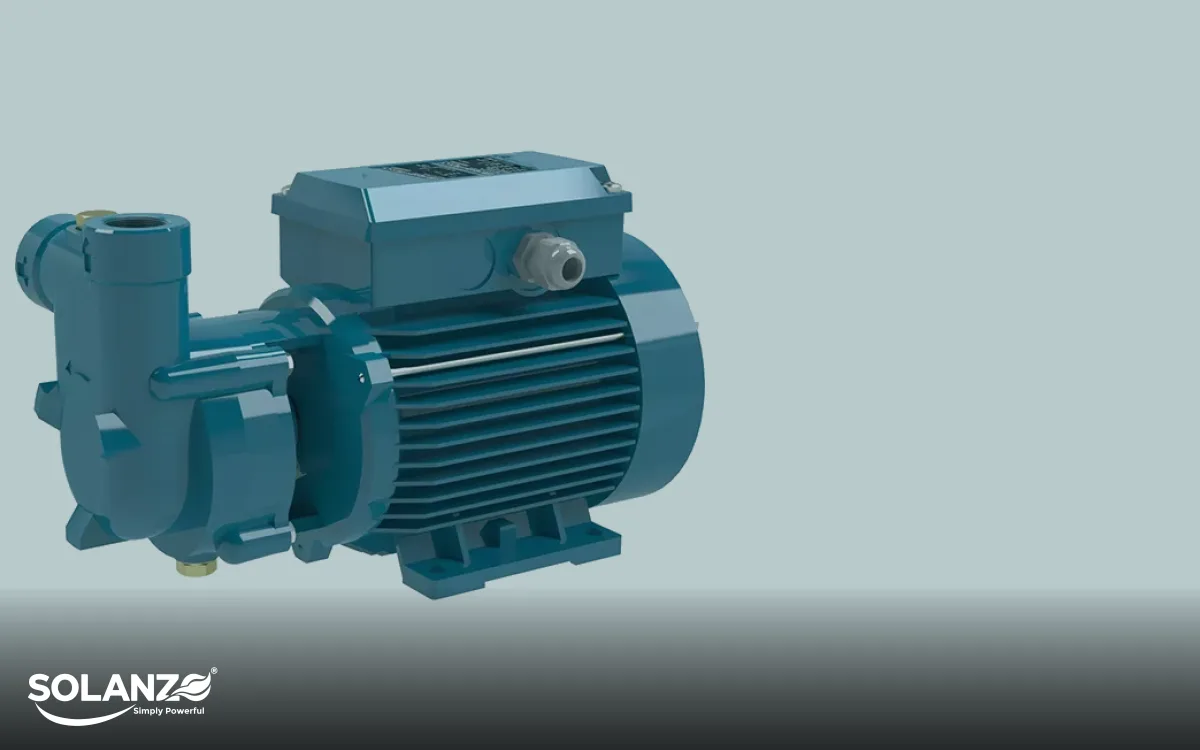
Guests judge a hotel by the shower. That makes the booster set in the basement one of the most commercially important machines in the building, and one of the most commonly misdesigned.
The demand is savage and brief
A hotel's peak is a wave: bathrooms full between 6:30 and 9, restaurant kitchens after, near-zero flow through the night. Apartments follow a similar rhythm. Equipment sized for the peak runs at a fraction of capacity ninety percent of the time, which is the strongest argument anywhere for variable-speed control: the set holds constant pressure at one tap or all of them, and energy follows demand rather than fighting it.
Zone the height, duplicate the duty
- Pressure zones keep each band of floors within a comfortable range; roughly 30 metres of elevation per zone is the working rule. One set pushing the penthouse pressure to the ground floor wastes energy and stresses fittings.
- Duty-and-standby minimum. A hotel cannot announce "no water until Tuesday". Two or three smaller pumps alternating with a standby are standard because a single large pump is a single point of failure for the whole guest experience.
- Break tank before the set. Where regulations require it, and most do, the booster draws from a tank, never directly off the mains.
The best booster room is the one guests never think about: pressure invisible in its constancy, the pumps trading shifts quietly beneath it. That is the specification worth writing.