

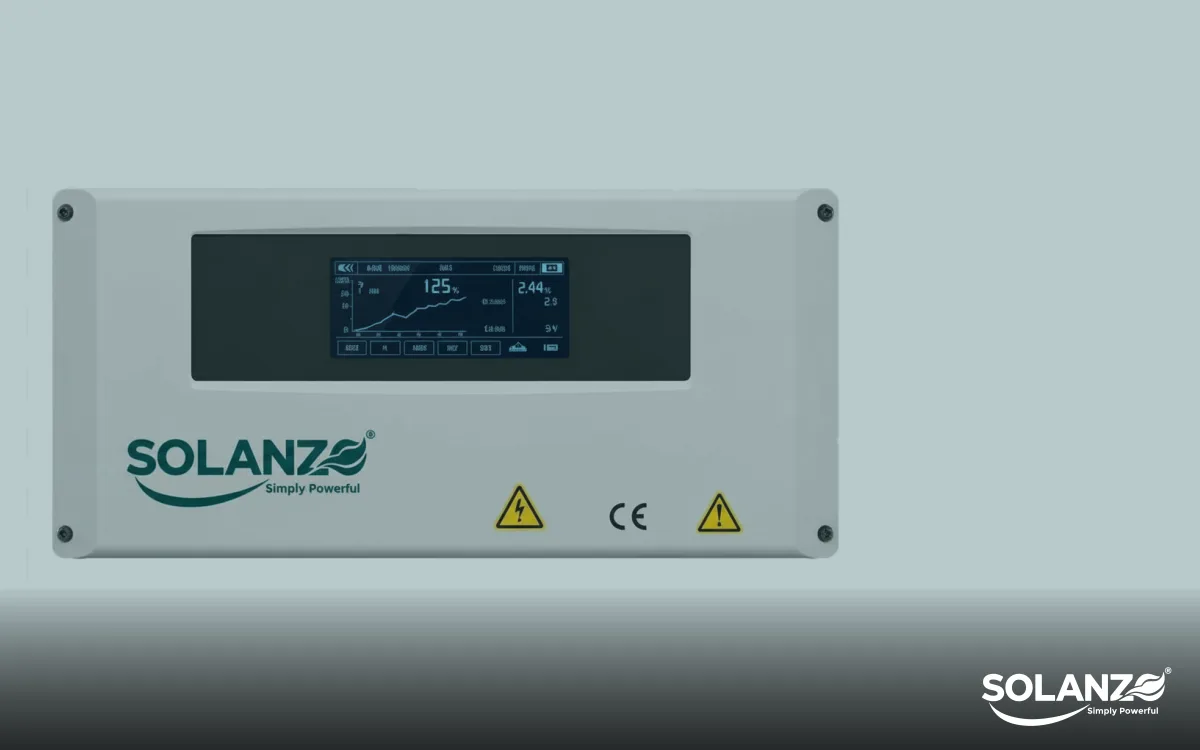
This year we started fitting a handful of pump stations with connected sensors: pressure transducers on the discharge, current clamps on the motor, and a small GSM module that texts us when something drifts. It is early days for this technology in our market, and the lessons have been instructive.
The data that earns its keep
Pressure and current. Between them they see nearly every real fault: a rising baseline current points to wear or fouling weeks before failure; a pressure trace that sags under load finds restrictions; a pump drawing light current at full speed is pumping air. Two sensors cover most of what a technician would check on a visit.
The data that turned out to be noise
Minute-by-minute logging of everything. Operators do not want a stream; they want an alert when something crosses a threshold. The installs that work send three messages: a warning, a fault, and a daily heartbeat. The installs that swamp the owner with dashboards get muted within a month.
Where it genuinely pays today
Remote sites, unmanned stations and anything where a pump running dry or seized goes unnoticed for days. For a pump room a corridor away from the operator, the same sensors are a luxury. The technology is ready; the discipline is deciding which installations actually need it.