
Supporting water projects with NGOs and local partners over the past few years has sharpened our thinking. In a camp or a village clinic, the failure modes are not the ones a European installer expects: no fuel logistics, no electrician a phone call away, and a population that cannot wait for either.
Simplicity is the first specification
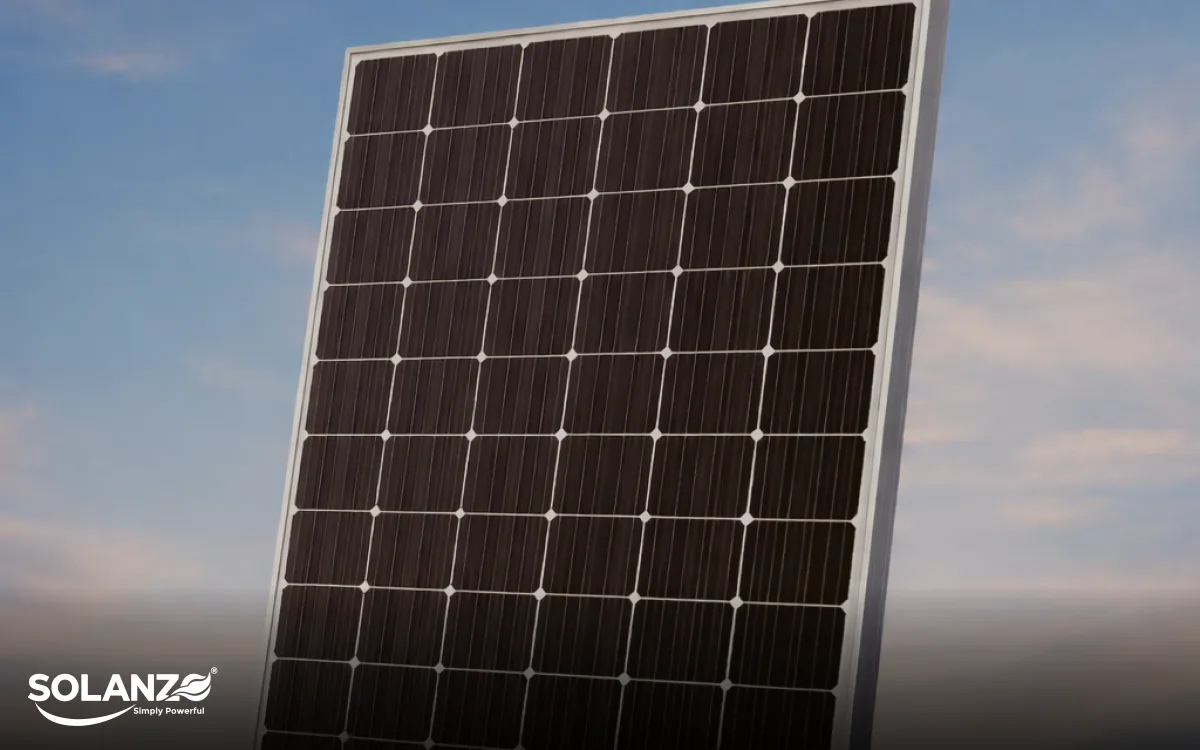
The best humanitarian pump is the one a local technician can maintain with ordinary tools. Direct solar-to-pump architectures win precisely because they delete components: no battery bank to age out, no generator to feed, no fuel convoy to depend on. Where storage is needed, an elevated tank does the same job as batteries at a fraction of the cost and complexity.
Design rules that proved themselves
- Oversize the storage, not the array. Two to three days of water in the tank rides out weather and minor faults better than extra panels.
- Protect the borehole absolutely. Dry-run protection is not optional; a dead submersible in a remote camp can mean weeks without supply.
- Ship the wearing spares with the system. A seal kit and a float switch in the commissioning crate are worth more than any monitoring gadget.
- Document it for the next technician, not the last one. A laminated wiring diagram at the site outlives every handover.
Humanitarian work strips engineering to its essentials: water at the tap, every day, maintained by whoever is there. Systems designed with that discipline are the ones still running when the project reports stop being written.