
A new site often starts with no water at all: no mains, no well worth the name, and three different needs waiting for it. Dust suppression wants volume, washdown wants pressure, and welfare units want a supply you can drink. Building temporary water is a real design exercise, and sites that treat it as an afterthought pay for it in water bowsers all project long.
Three demands, one system
- Dust suppression is the thirsty one: bowsers, spray bars and cannons want high flow at modest pressure, many cubic metres a day.
- Washdown and wheel cleaning want pressure more than volume; a self-priming or centrifugal set with a pressure lance covers it.
- Welfare water for cabins must be potable or at least separated and clearly non-potable. Never share an unmarked line.
The workhorse pattern
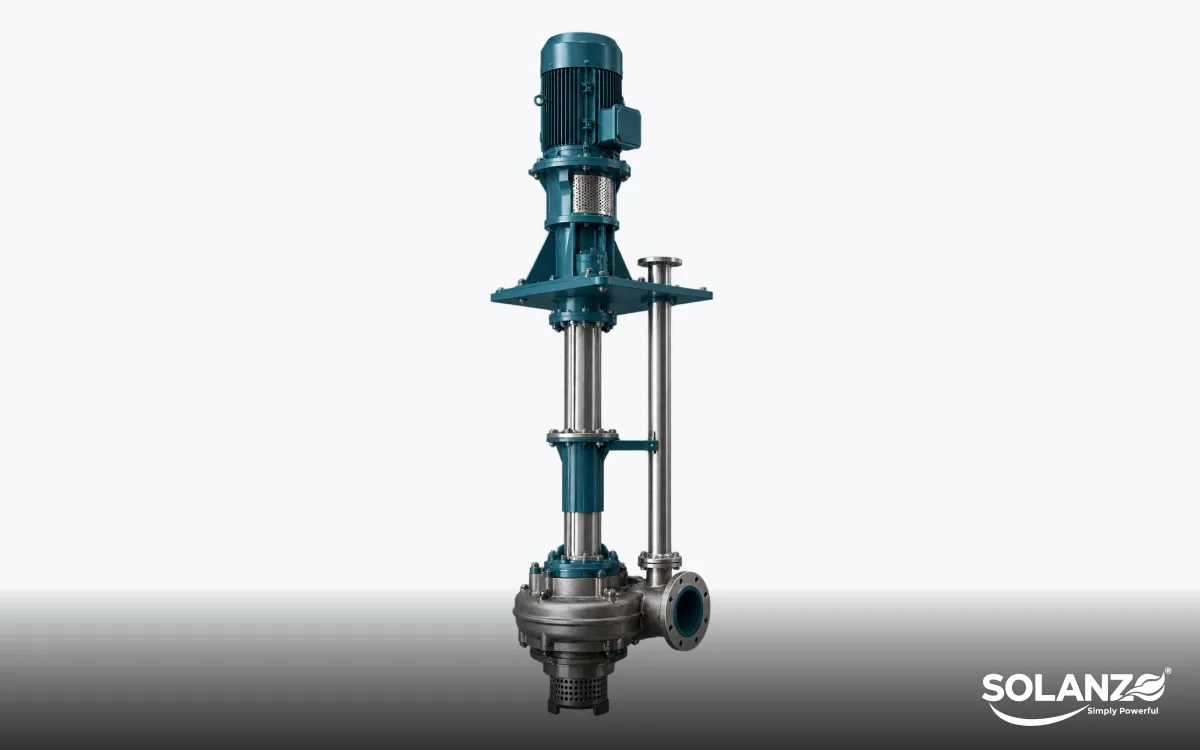
Storage first, pump second. A static tank or bowser reservoir holds the buffer; a self-priming surface pump handles transfer and pressure duty, forgiving of dirty water and easy to move as the site evolves. Where the site runs for years, a borehole plus submersible pays back the tanker bills in a season or two.
Specify the pump for silty water and rough handling, because that is what it will get. Site water is a brutally honest environment, and equipment built for it outlasts equipment that merely tolerates it.